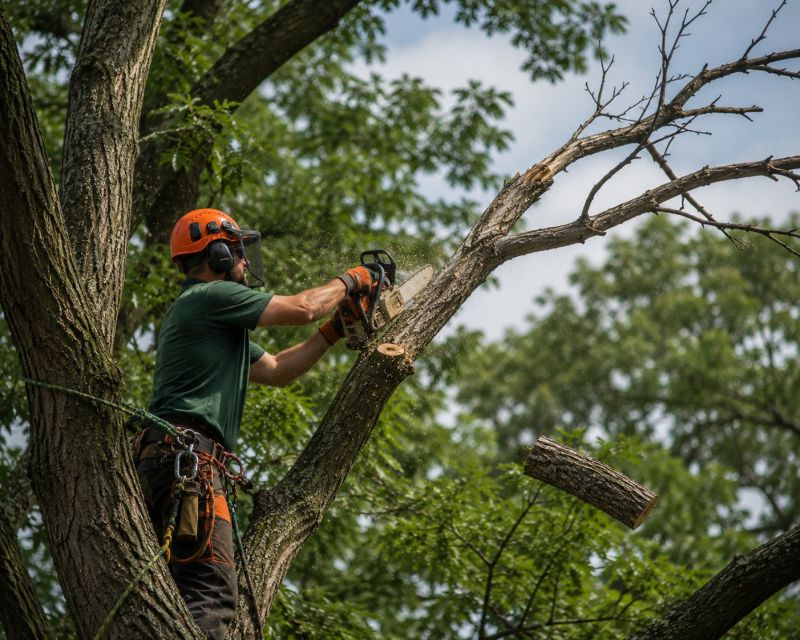
Deadwood Removal in San Jose, CA
Deadwood removal services involve the safe and efficient removal of dead or hazardous trees, limbs, and branches from residential properties. This type of work covers a variety of projects, including removing fallen trees after storms, trimming overgrown branches that threaten structures or power lines, and clearing dead trees to improve safety and aesthetics. Homeowners typically seek these services to prevent potential property damage, reduce risks associated with falling debris, and maintain a healthy landscape.
Before requesting deadwood removal, property owners should consider the size and location of the trees or branches involved, as well as any potential obstacles such as nearby structures or utility lines. Understanding the scope of the project helps ensure proper planning and safety measures. It’s also useful to identify whether the work involves partial trimming or complete removal, especially when dealing with trees close to homes or other valuable features on the property.
Many property owners in San Jose, CA look into Deadwood Removal for repairs, replacements, upgrades, and appearance-related improvements.
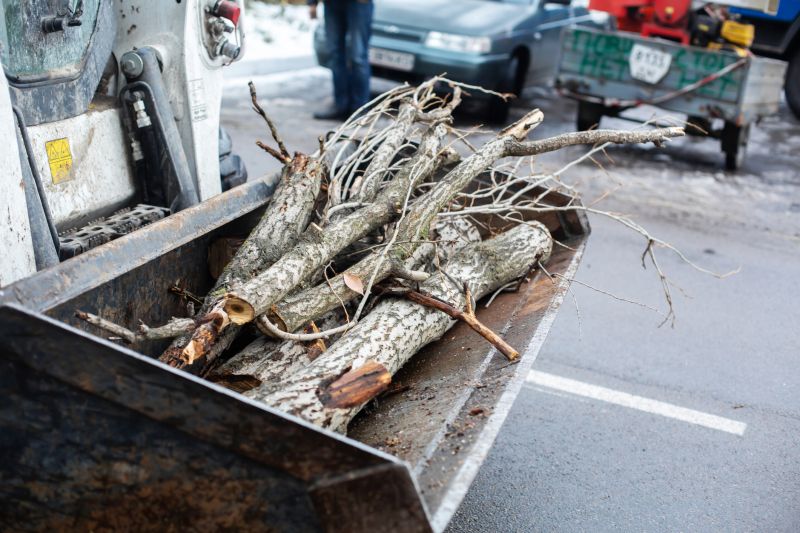
Types Of Deadwood Removal
Services include pruning hazardous branches, clearing fallen branches, and removing dead trees to improve safety and appearance.
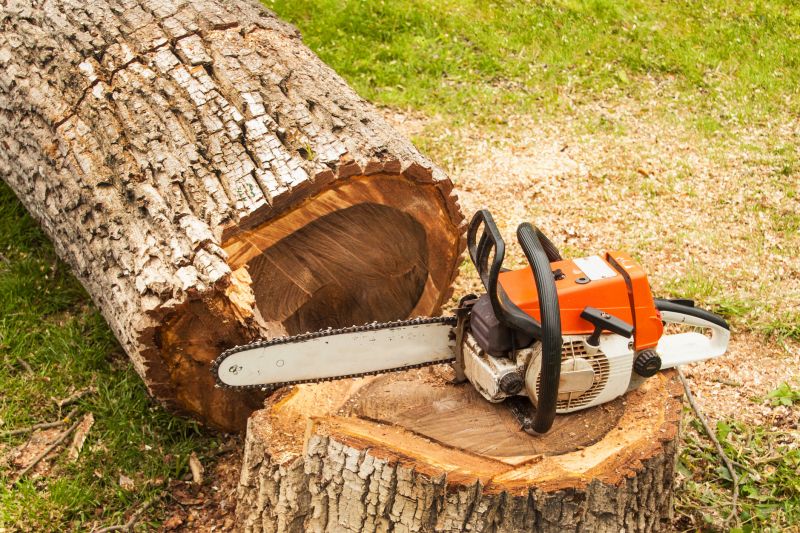
Benefits Of Deadwood Clearing
Removing deadwood helps prevent property damage, reduces fire risk, and maintains the health of remaining trees.
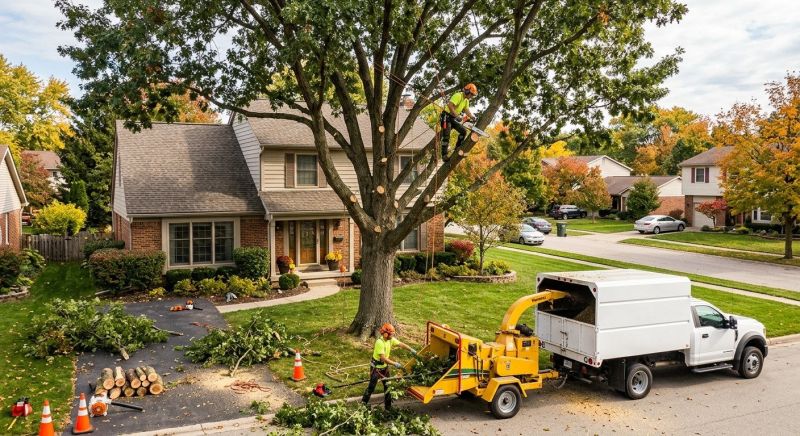
Common Projects In San Jose
Deadwood removal is often requested for residential yards, commercial landscapes, and community parks in the area.
Deadwood Removal in San Jose, CA
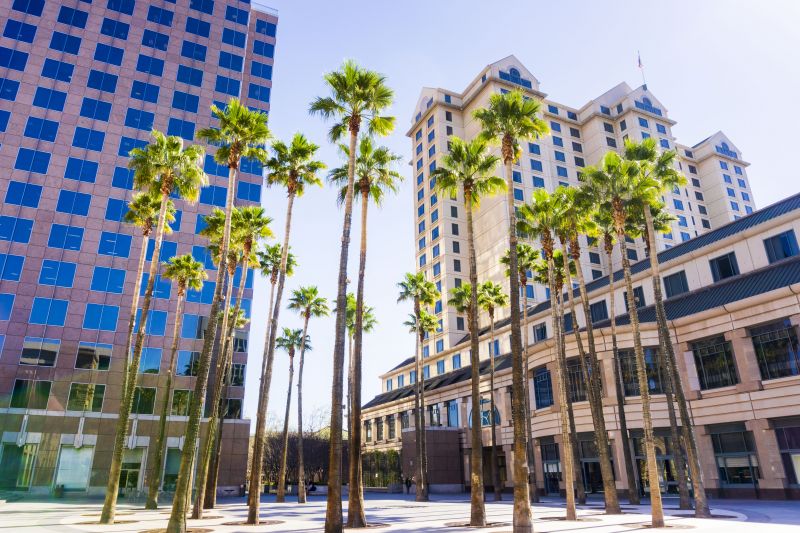
Deadwood removal services involve the safe and efficient removal of dead or hazardous trees, limbs, and branches from residential properties. This type of work covers a variety of projects, including removing fallen trees after storms, trimming overgrown branches that threaten structures or power lines, and clearing dead trees to improve safety and aesthetics. Homeowners typically seek these services to prevent potential property damage, reduce risks associated with falling debris, and maintain a healthy landscape.
Before requesting deadwood removal, property owners should consider the size and location of the trees or branches involved, as well as any potential obstacles such as nearby structures or utility lines. Understanding the scope of the project helps ensure proper planning and safety measures. It’s also useful to identify whether the work involves partial trimming or complete removal, especially when dealing with trees close to homes or other valuable features on the property.
Many property owners in San Jose, CA look into Deadwood Removal for repairs, replacements, upgrades, and appearance-related improvements.
Common Deadwood Removal Jobs
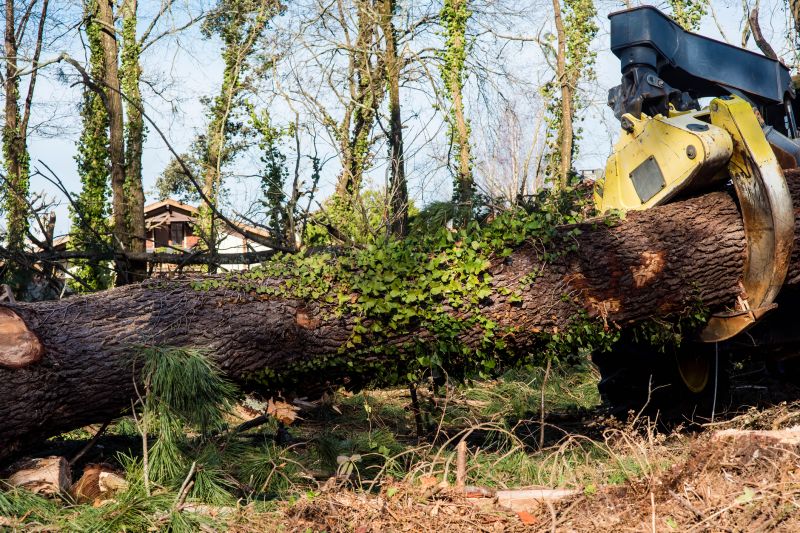
Deadwood Removal - clearing dead or dying trees to improve landscape health and safety.
Stump Grinding - reducing tree stumps to ground level for a smoother yard surface.
Hazard Tree Removal - removing trees that pose a risk of falling or damage.
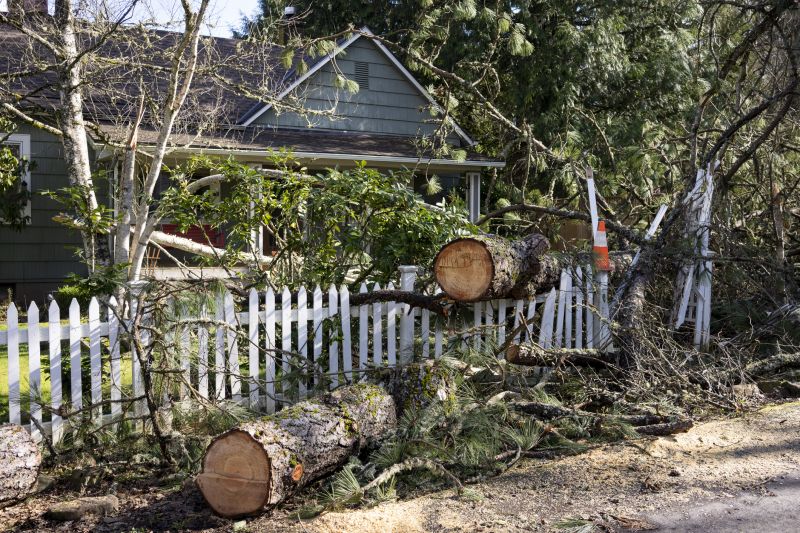
Storm Damage Cleanup - swiftly removing fallen branches and trees after severe weather events.
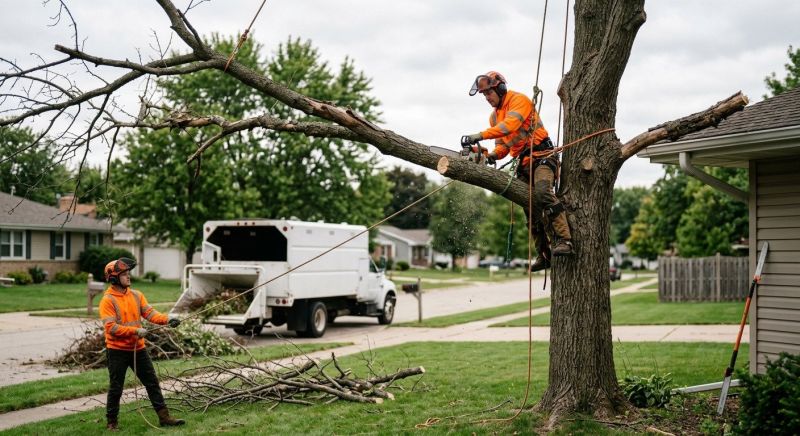
Overgrown Tree Trimming - pruning to maintain proper tree shape and prevent interference with structures.
Emergency Deadwood Removal - providing prompt services for hazardous dead branches or trees.
Deadwood Removal Questions
What types of stumps can be removed? Stumps from various tree species and sizes can be safely removed to improve landscape appearance and safety.
Is stump grinding suitable for all tree sizes? Stump grinding is effective for most tree sizes, especially for those that are difficult to remove manually.
What should property owners consider before removal? It’s important to consider the location of the stump and any underground utilities before removal.
What are common reasons for stump removal? Stump removal is often requested to eliminate hazards, prevent pest infestations, or prepare a site for new landscaping.
Request Deadwood Removal in San Jose, CA
Use the quote form on this page to share the basics of your project and request more information for the type of work you need.